
Varanasi, the spiritual capital of India, is a city that offers a deep cultural and religious experience for families. Known for its ancient temples, sacred ghats, and vibrant streets, Varanasi provides a unique blend of history, devotion, and tradition. Whether you are looking to witness the mesmerizing Ganga Aarti, explore historical sites, or enjoy the rich flavors of local cuisine, choosing the right time to visit is essential. The best month to travel ensures a comfortable climate, enjoyable sightseeing, and an immersive cultural experience for the entire family.
Planning a Family Trip to the Spiritual Heart of India
Varanasi, one of the oldest living cities in the world, is a must-visit destination for families seeking a mix of spirituality, culture, and history. Known for its sacred ghats, ancient temples, and vibrant streets, Varanasi offers a unique travel experience that appeals to people of all ages. Choosing the best time to visit is crucial for ensuring a comfortable and enriching family trip. The right season allows you to explore the city’s spiritual essence without the discomfort of extreme weather conditions.
Understanding Varanasi’s Weather and Seasons
Varanasi experiences three main seasons: summer, monsoon, and winter. Each season offers a different perspective of the city, but the best time for a family trip is when the weather is pleasant, and the festive atmosphere enhances the experience.
Winter (October to March) – The Best Time for a Comfortable Visit
Winter is the most favorable season for visiting Varanasi with family. The temperatures range between 5-25°C, making it ideal for exploring the city’s famous ghats, temples, and cultural sites without the discomfort of extreme heat. The cool mornings and pleasant evenings create a peaceful atmosphere, perfect for experiencing the spiritual charm of the Ganges River.
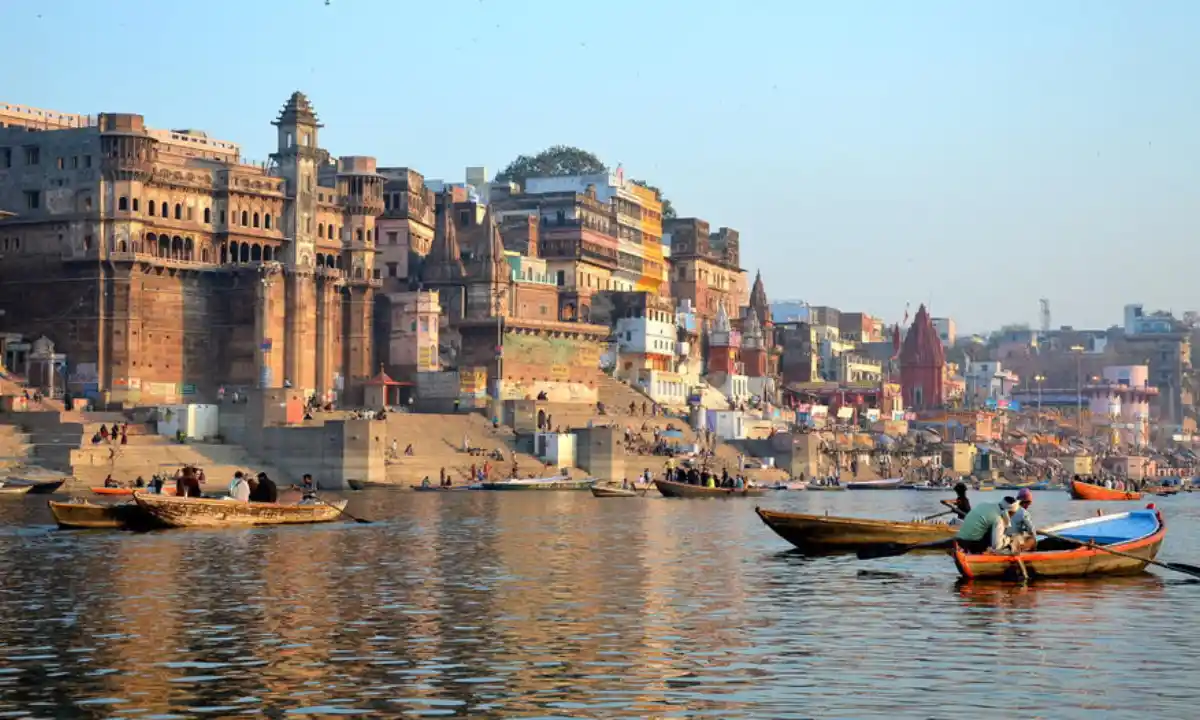
During this time, families can enjoy boat rides on the Ganges, witness the mesmerizing Ganga Aarti at Dashashwamedh Ghat, and explore the narrow alleys filled with local markets and eateries. Festivals such as Dev Deepawali in November and Makar Sankranti in January add a special charm to the city, offering visitors a chance to witness grand celebrations and illuminated ghats.
Summer (April to June) – A Challenging Time for Travel
Summer in Varanasi brings scorching temperatures, often exceeding 40°C. The extreme heat can make outdoor activities difficult, especially for families traveling with young children or elderly members. Exploring temples, walking through crowded streets, and attending religious ceremonies can become exhausting in the intense summer sun.
However, for those who can handle the heat, this season offers fewer tourists, making it easier to explore the city’s attractions without long queues. Early morning boat rides and evening visits to temples provide some relief from the daytime heat. Despite the challenges, summer can be a good time for travelers seeking a quieter experience in Varanasi.
Monsoon (July to September) – A Time for Rain and Spiritual Serenity
The monsoon season brings moderate to heavy rainfall, transforming Varanasi into a lush and serene destination. While the rains bring relief from the summer heat, they can also cause waterlogging in some areas, making travel inconvenient. The ghats become slippery, and boat rides on the Ganges may be affected by rising water levels.
For families who enjoy the beauty of rain and a less-crowded atmosphere, the monsoon season offers a peaceful and spiritual experience. Temples and ashrams provide a serene retreat where visitors can engage in meditation, yoga, and spiritual discourses. The city’s natural beauty comes alive, making it an appealing time for photography and cultural exploration.
Best Family Experiences in Varanasi Based on the Season
October to March – Exploring the City’s Spiritual and Cultural Heritage
Winter is the best time for families to explore the rich heritage of Varanasi. The cool weather allows comfortable sightseeing of iconic landmarks such as Kashi Vishwanath Temple, Sarnath, and Manikarnika Ghat. Families can take part in the famous Ganga Aarti, experience a boat ride at sunrise, and indulge in local delicacies like kachori-sabzi and malaiyo.
The festive season adds a magical charm, with Dev Deepawali lighting up the ghats in November and Holi bringing vibrant celebrations in March. These festivals provide a fantastic opportunity for families to witness the spiritual grandeur of Varanasi.
April to June – Quiet Exploration and Indoor Activities
Summer is a less crowded time in Varanasi, making it easier for families to visit temples and historical sites without waiting in long lines. Early morning and evening visits to places like the Bharat Mata Temple and Assi Ghat offer a relatively cooler experience.
Indoor attractions such as the Banaras Hindu University (BHU) museum and local cultural centers provide a great way to learn about the city’s history and traditions while staying protected from the heat. Families can also enjoy shopping for Banarasi silk sarees and handicrafts in the shaded markets.
July to September – A Peaceful and Spiritual Retreat
Monsoon transforms Varanasi into a quiet and meditative retreat. Families looking for a serene experience can visit the temples, attend spiritual lectures, and explore yoga centers offering wellness programs. The city’s ashrams provide a peaceful environment where visitors can participate in meditation and devotional music sessions.
During this season, the lush greenery around Sarnath, the birthplace of Buddhism, creates a picturesque setting for a family outing. Despite occasional travel challenges, the beauty and tranquility of Varanasi during monsoon offer a different perspective of the city.
Must-Visit Attractions for Families in Varanasi
The Ghats of Varanasi – Witnessing the Spiritual Essence
Varanasi’s ghats are the heart of the city’s spiritual life. Dashashwamedh Ghat is the most famous, hosting the grand Ganga Aarti every evening. Families can take a boat ride along the river to witness the stunning views of the ancient ghats and observe the rituals performed by devotees.
Assi Ghat offers a quieter experience with morning yoga sessions and devotional music performances. Families can relax by the riverside and enjoy the soothing atmosphere of this sacred place.
Sarnath – A Historical and Cultural Experience
Located just a short drive from Varanasi, Sarnath is an important Buddhist pilgrimage site where Lord Buddha gave his first sermon. The site includes the Dhamek Stupa, the Ashoka Pillar, and the Archaeological Museum, making it a great place for families to explore history and spirituality together.
Kashi Vishwanath Temple – The Holiest Shrine in Varanasi
The Kashi Vishwanath Temple, dedicated to Lord Shiva, is one of the most revered temples in India. Families visiting this sacred site can experience the divine atmosphere, admire the temple’s stunning architecture, and participate in religious ceremonies.
Banaras Hindu University (BHU) – A Center of Learning and Culture
BHU is one of the oldest and most prestigious universities in India. The campus houses the Bharat Kala Bhavan Museum, which showcases an impressive collection of paintings, sculptures, and manuscripts. Families can explore the university’s peaceful surroundings and learn about India’s rich cultural heritage.
Street Food and Shopping – Enjoying Local Delights
Varanasi is famous for its delicious street food and vibrant markets. Families can enjoy local specialties like chaat, lassi, and the famous Banarasi paan. Shopping in the bustling markets offers a chance to buy traditional Banarasi silk sarees, handicrafts, and souvenirs to take home.
Conclusion
The best month to visit Varanasi with family depends on the type of experience you seek. The winter months from October to March offer the most comfortable weather for sightseeing and cultural exploration. The summer months provide a quieter and less crowded experience, while the monsoon season brings a peaceful and spiritual retreat. No matter when you visit, Varanasi promises a memorable journey filled with spirituality, history, and cultural richness.